20 CSS Tags & Chips Designs

Advertisement

A CSS tag or chip is a compact pill-shaped element used for filters, labels, selections, statuses, and metadata. These 20 hand-coded designs are ready-to-ship chips for filter bars, tag inputs, status badges, and category selectors — copy the markup, drop into your UI, and ship.

20 unique chips 15 Pure CSS 5 CSS + JS 0 dependencies 100% copy-paste ready Published
01 / 20
Removable Pill
Pure CSS
Removable Pill — preview
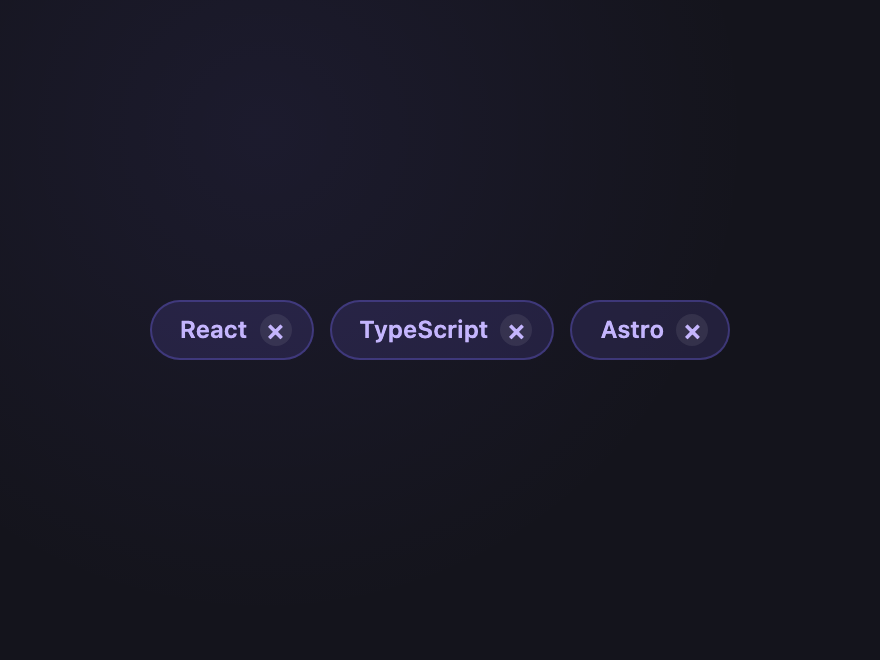
Three filter chips with × buttons that actually remove the chip — pure CSS via :has(:checked) hiding the parent. The canonical filter pattern, working without a single line of JS.
02 / 20
Magnetic Hover
Pure CSS
Magnetic Hover — preview
On hover the chip text drifts toward the cursor edge via a CSS-only "magnet" trick — purely transition-based, no pointer math, no JS.
03 / 20
Sliding Border
Pure CSS
Sliding Border — preview
A real @property-animated conic gradient traces around the chip on hover — true CSS angle animation, not the keyframes-on-position hack everyone else uses.
04 / 20
Liquid Fill
Pure CSS
Liquid Fill — preview
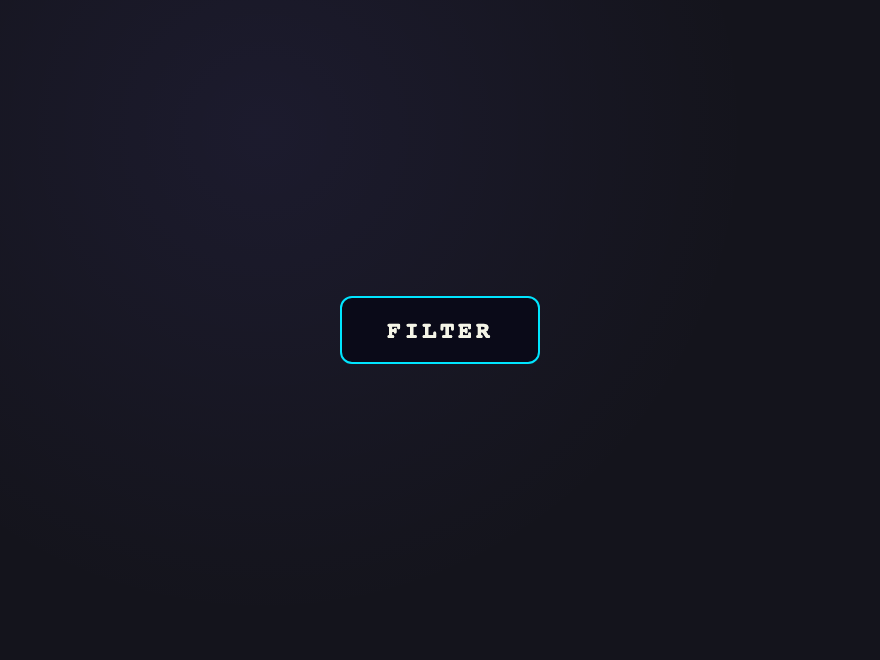
Outline chip whose interior fills with brand colour from left-to-right on hover. Text colour inverts at the fill boundary using mix-blend-mode: difference.
05 / 20
Stack of Three
Pure CSS
Stack of Three — preview
Chip rendered as three stacked layers offset by 2px each — depth illusion. On hover the layers fan out diagonally. Pure CSS via two ::before/::after pseudo-elements.
06 / 20
Notch Chip
Pure CSS
Notch Chip — preview
Chip with a triangular notch cut into the left edge using clip-path — a real shape, not a background trick. Reads as a luggage tag or boarding-pass entry.
07 / 20
Glassmorphic
Pure CSS
Glassmorphic — preview
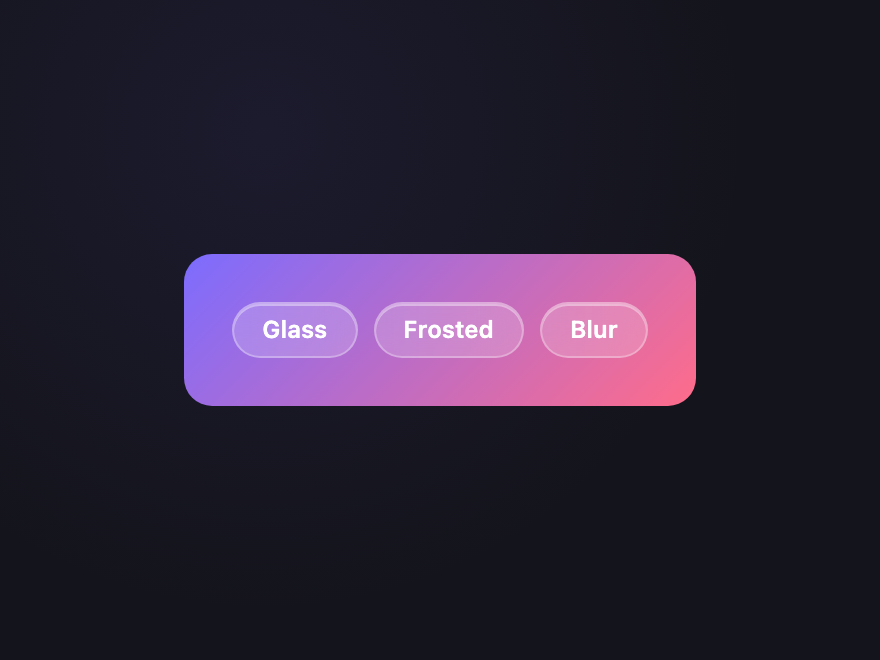
Frosted-glass chip with backdrop-blur over a coloured page background. Translucent surface, white border, soft inner highlight.
08 / 20
Aurora Outline
Pure CSS
Aurora Outline — preview
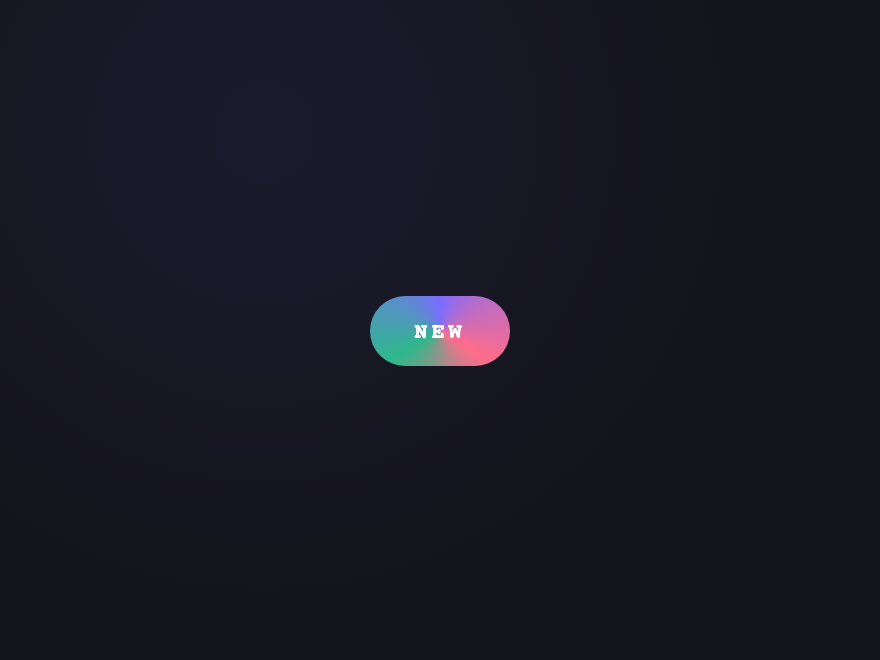
Continuously rotating conic-gradient border (violet → pink → mint) using @property for true angle animation. The chip stays still, only the rim rotates. Honours prefers-reduced-motion.
09 / 20
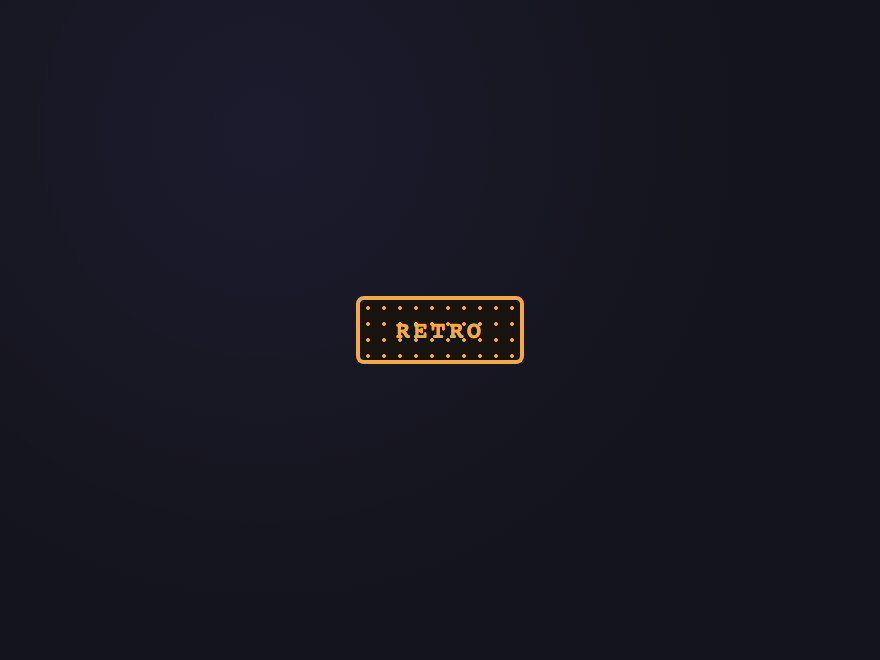
Pixel Grid
Pure CSS
Pixel Grid — preview
Chip background is a tiny dotted CSS pattern reading as retro/print. On hover the dot density increases via background-size transition.
10 / 20
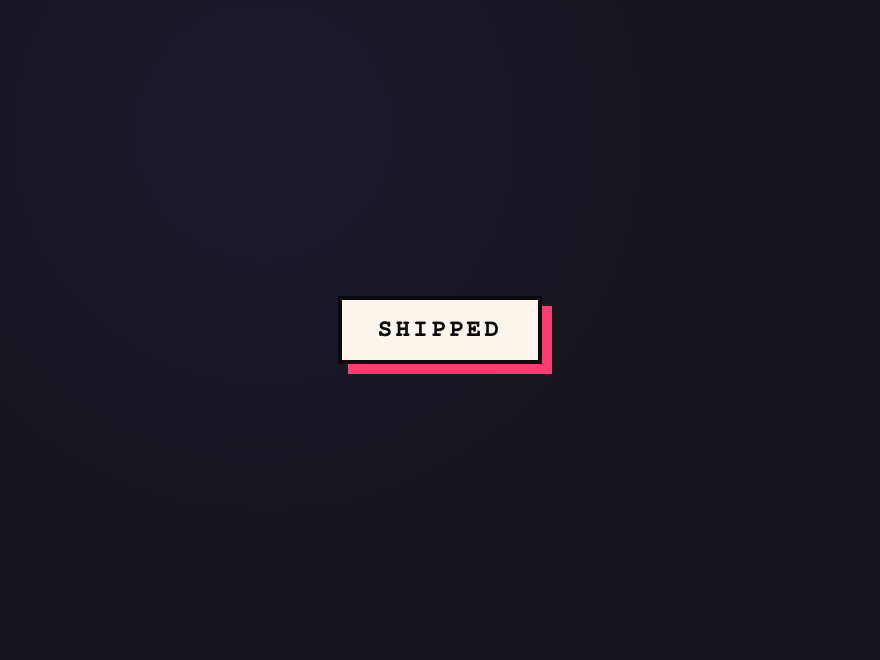
Brutalist Stamp
Pure CSS
Brutalist Stamp — preview
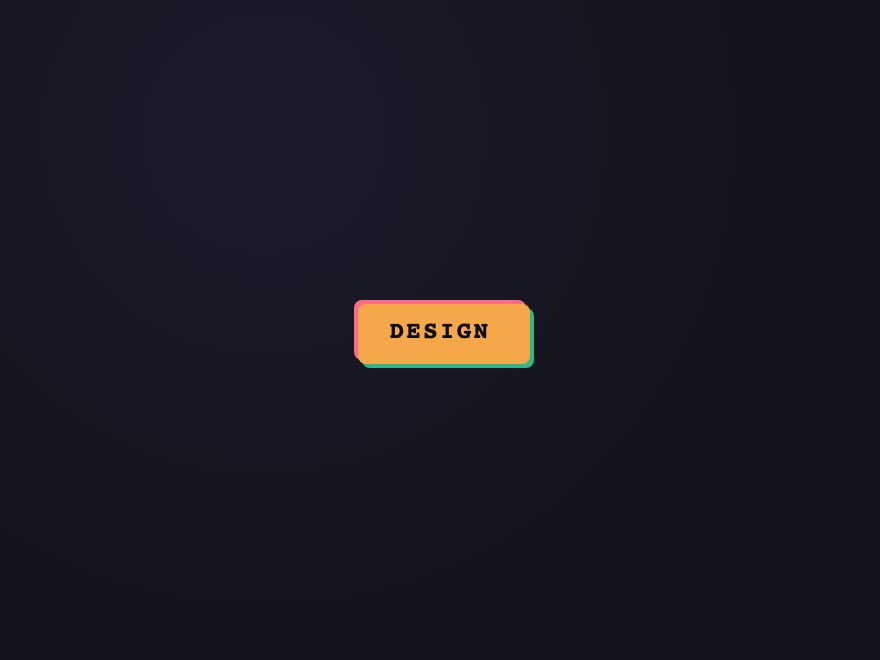
Hard-edged offset-shadow chip with mono font and a hot-pink shadow. Press collapses into the shadow on click. Brutalist design system fixture.
11 / 20
Gradient Edge
Pure CSS
Gradient Edge — preview
Solid dark chip whose only accent is a thin gradient line on the bottom edge — minimalism with a single unmistakable signal. Fades up on hover.
12 / 20
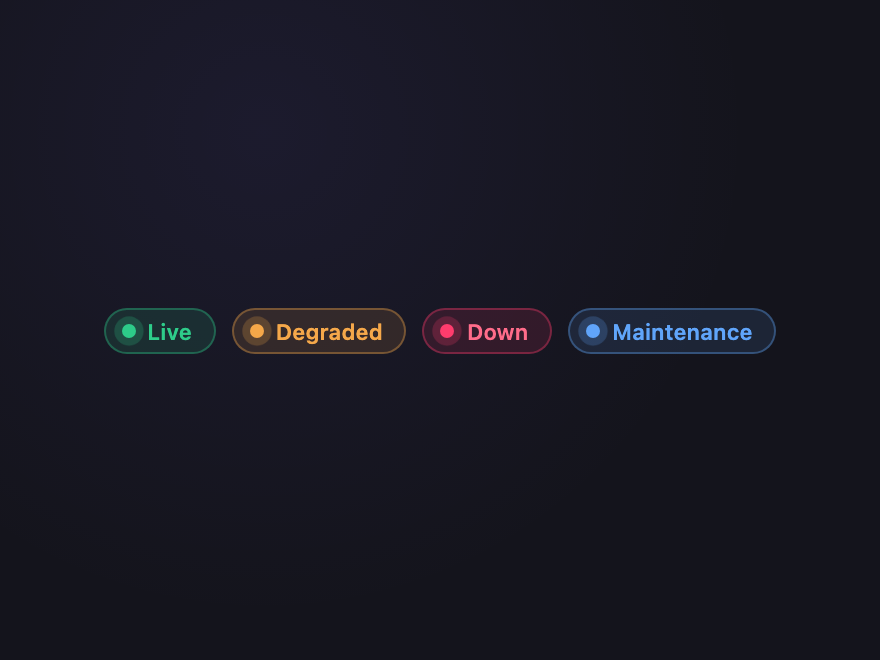
Status Pulse
Pure CSS
Status Pulse — preview
Status chip with a coloured leading dot that pulses for live/active state. Different colours = different states (success, warning, error, info). The standard health-indicator pattern.
Advertisement
13 / 20
Drag to Reorder
Light JS
Drag to Reorder — preview
Three chips that can be drag-reordered with real pointer math — no library. Keyboard accessible: Tab to focus, ←/→ to swap with neighbour. The full reorder pattern.
14 / 20
Tag Input
Light JS
Tag Input — preview
Type to add a chip; Backspace on empty input removes the last chip. Real autocomplete dropdown filtered live by input — the full filter-input pattern with aria-controls/expanded.
15 / 20
Remove with Undo
Light JS
Remove with Undo — preview
Click × to remove a chip — but a small Undo toast appears for 4 seconds before deletion is final. The pattern Gmail and Linear made standard.
16 / 20
Counter Chip
Light JS
Counter Chip — preview
Chip with a number badge inside; click − / + to decrement/increment with aria-valuenow updated for screen readers. The Gmail label-count pattern.
17 / 20
Marquee Chip
Pure CSS
Marquee Chip — preview
When the chip text overflows its width, the text scrolls horizontally on hover like a stock ticker. Pause on focus. Pure CSS using a duplicated text trick.
18 / 20
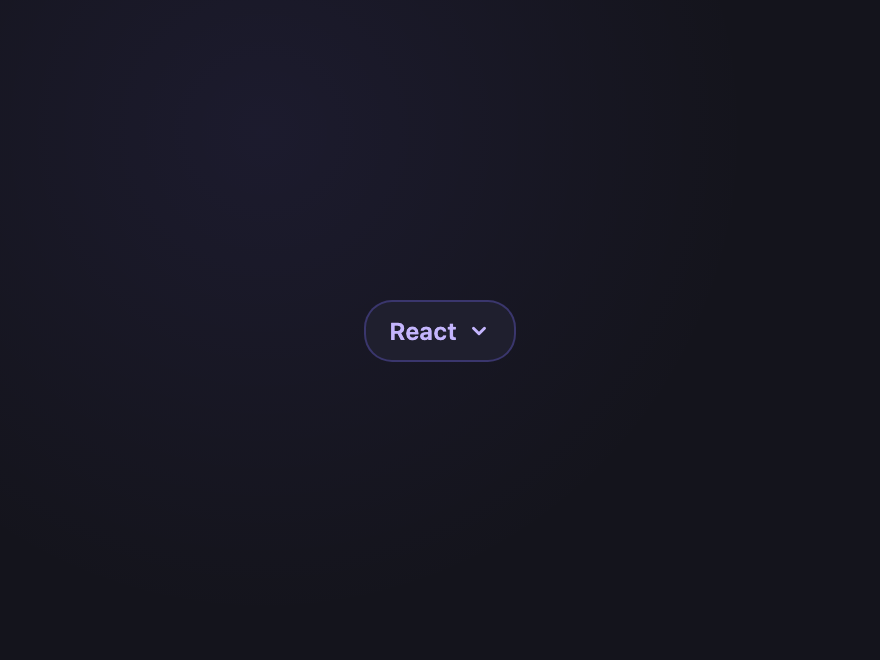
Expandable Detail
Pure CSS
Expandable Detail — preview
Native <details>/<summary> chip that expands inline to reveal a description on click. Real semantic disclosure, not a tooltip — keyboard accessible by default.
19 / 20
Linked Group
Pure CSS
Linked Group — preview
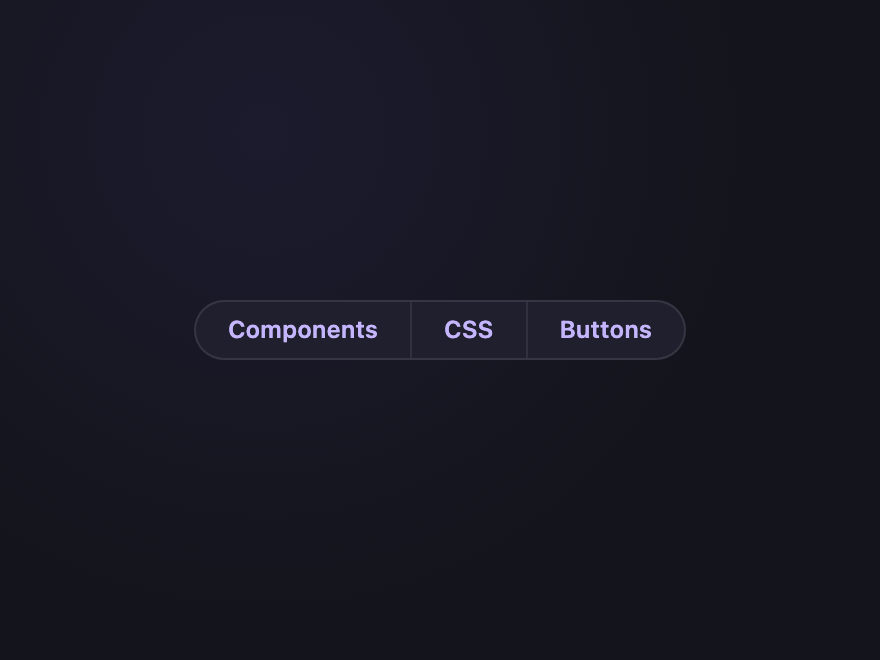
Three connected chips sharing a single border with hairline dividers — like a segmented breadcrumb of tags. Hover lights individual segments.
20 / 20
Lifecycle Chip
Light JS
Lifecycle Chip — preview
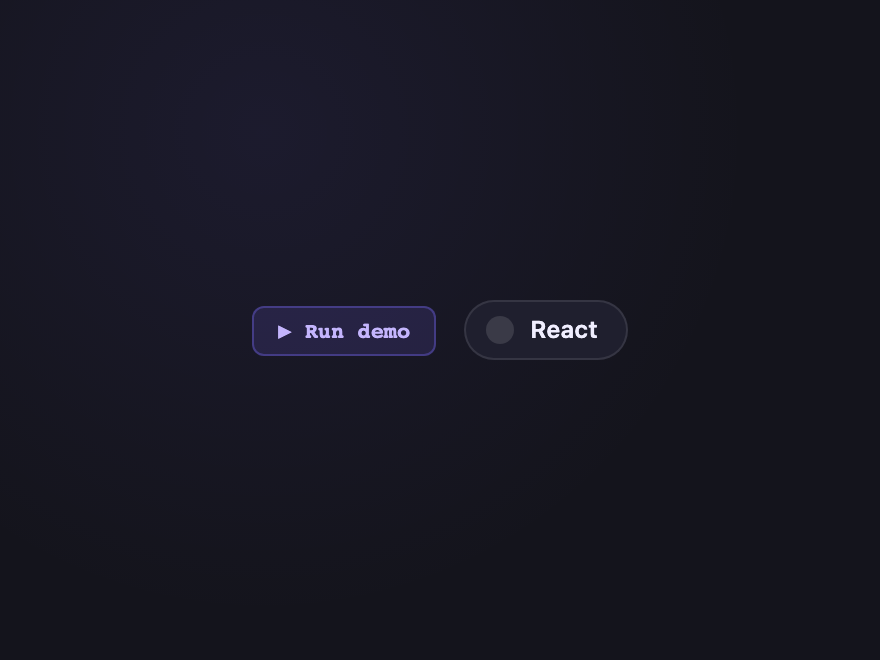
Animates through three states — Adding (slide in + spinner) → Active (settle + checkmark) → Removing (fade out + strikethrough). Click Run demo to replay the full add/remove dance.
Advertisement
FAQ

Frequently asked questions

What's the difference between a tag and a chip?
Functionally there's no difference — both are compact, often-pill-shaped UI elements used for filters, labels, statuses, or metadata. Material Design popularised chip; Bootstrap and most CSS frameworks call them tags or badges. The patterns in this gallery work for either name.
How do I make a removable chip work without JavaScript?
Wrap the chip in a label containing a hidden checkbox plus your visible content, then use the modern CSS :has() pseudo-class on the parent: .chip:has(:checked) { display: none; }. When the user clicks the chip (which toggles the checkbox), the chip removes itself — no JS, fully accessible, the form sees nothing. Demo 01 (Removable Pill) shows the exact pattern.
Are these chips accessible to keyboard and screen readers?
Yes. Each demo uses real semantic elements: button for clickable controls, label/input for selectable chips, details/summary for expandable ones, ul/li for lists. ARIA attributes (aria-label, aria-expanded, aria-valuenow, aria-controls, aria-live) cover the dynamic states. Keyboard navigation and focus rings are explicit. Continuous animations honour prefers-reduced-motion.
Do these tag and chip designs need JavaScript?
Most don't — 15 of the 20 are pure CSS using :hover, :has(), :checked, conic gradients with @property, clip-path, and animation. The other 5 (drag-to-reorder, tag input with autocomplete, remove with undo, counter chip, and the lifecycle animation) include small self-contained JS snippets in the JS tab of the code panel.
Can I use these chips in React, Vue, or any other framework?
Yes. Every demo is plain HTML + CSS (with optional vanilla JS) and has no dependencies. Drop the markup into React (using className), Vue, Svelte, Astro or static HTML — the styles work as-is. MIT licensed.

Search CodeFronts

Loading…